By Olakunle Agboola – Diplomatic tensions between Nigeria and South Africa are coming under renewed pressure after three Nigerian nationals died in separate incidents in South Africa within four days, prompting Nigeria’s diplomatic mission to demand investigations and justice.
The three victims, identified as Kenechukwu Christopher Igwemadu, Olaniyi Olaleye Olatunde and Christian Hillary Nnaemeka, died between September 18 and 21 in Bloemfontein, Pretoria and Primrose respectively, according to the Nigerian Consulate General in Johannesburg.
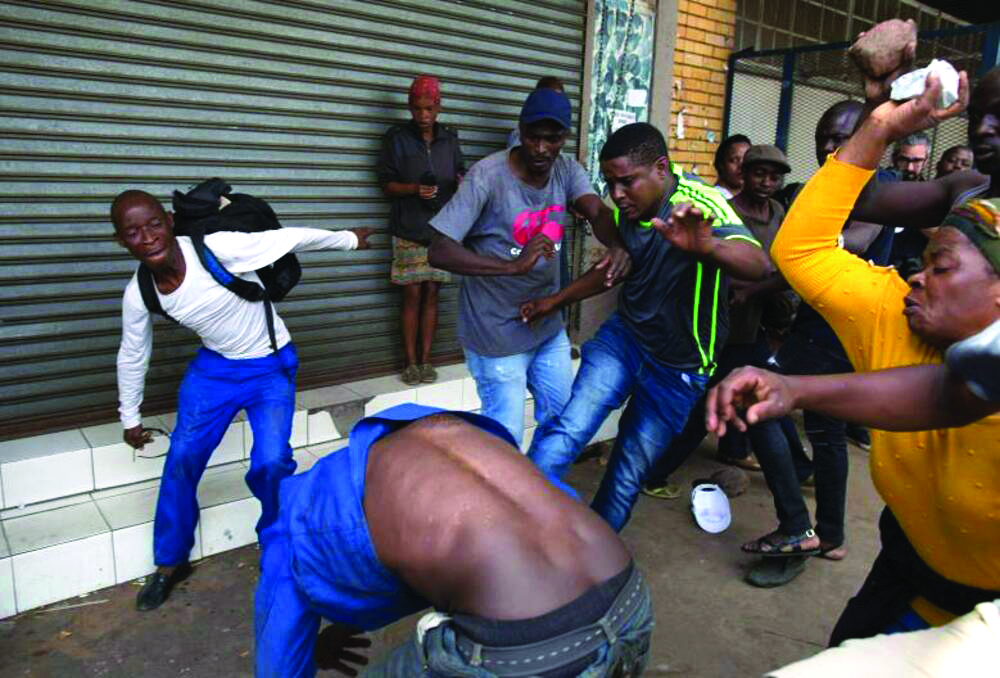
The deaths have renewed concerns in Abuja over the safety of Nigerians living and working in South Africa, at a time when relations between the two countries are already strained by anti-migrant protests and allegations of xenophobic violence.
Nigeria’s High Commissioner to South Africa, Femi Fani-Kayode, said the three deaths brought the number of Nigerians killed in South Africa this year to 12 and the total since 2022 to 112.
Those figures were provided by the Nigerian diplomatic mission and have not been independently established by South African authorities. The Associated Press reported the figures while attributing them to Fani-Kayode.
Earlier this month, Reuters reported a different figure from Nigeria’s Minister of State for Foreign Affairs, who said 98 Nigerians had died in mob and hate related incidents in South Africa since 2022. The difference may reflect different classifications or records used by Nigerian officials.
Three deaths, three separate incidents
According to the Nigerian Consulate, the first death occurred on September 18 in Bloemfontein.
The consulate said Igwemaduallegedly jumped to his death while attempting to escape what it described as police harassment and brutality at Kenlin Court on Douglas Street.
The allegation has not been independently established. The consulate called on the relevant South African authorities to investigate the circumstances surrounding his death.
The second case involved Olatunde, a security guard reportedly working at Spanata Bar and Grills Night Club in Mamelodi East, Pretoria.
The Nigerian mission said Olatunde became involved in an argument with a South African customer after attemptingto stop the customer from leaving the premises with a cup belonging to the club.
According to the consulate’s account, the customer allegedly produced a firearm and shot Olatunde in the lower part of his body.
Olatunde suffered serious injuries and heavy blood loss before being taken to Mamelodi Hospital, where he died on September 21.
The consulate also alleged that the suspected shooter fled the scene and later returned, threatening witnesses who might report the incident.
Those details remain allegations contained in the Nigerian diplomatic account.
The third death involved Nnaemeka, who died on September 21 in Primrose, Ekurhuleni.
The Nigerian Consulate alleged that Nnaemeka was assaulted during an encounter involving South African politician and investigative content creator Xolani Khumalo and members of his Sizok’thola team.
The consulate said Nnaemeka attempted to escape, collapsed and was taken to hospital, where he was pronounced dead.
The allegations surrounding the encounter have not been established in court.
The Nigerian mission has called for a full investigation into all three deaths and for anyone found responsible to face prosecution.
Nigeria demands accountability
The consulate said the three deaths, occurring within a short period, had raised concerns about the safety of Nigerians and other African nationals in South Africa.
It also referred to continuing reports of xenophobic and Afrophobic attacks, threats, insecurity and alleged mistreatment of vulnerable African migrants, particularly Nigerians.
The mission urged Nigerians in South Africa to remain calm and law-abiding while calling on South African authorities to investigate the deaths.
Fani-Kayode separately condemned the deaths and said Nigeria expected South African authorities to protect Nigerians and prosecute those responsible where investigations establish criminal liability.
He also said 32 of the 112 Nigerians reportedly killed since 2022 were killed by members of South African security forces.
That claim, like the overall figure of 112, is a statement by the Nigerian High Commissioner rather than an independently verified finding.
A relationship already under strain
The latest deaths come against the backdrop of a worsening dispute between Abuja and Pretoria over the treatment and safety of foreign nationals in South Africa.
Earlier this month, Nigeria’s parliament suspended official visits and legislative participation involving South Africa over continuing anti migrant violence.
Reuters reported that the decision followed concerns over attacks against Nigerians and other African nationals. Nigeria had also voluntarily evacuated 1,695 Nigerians from South Africa in 2026.
The parliamentary action did not amount to a break in diplomatic relations, but it demonstrated the political pressure building in Nigeria over the issue.
Nigeria and South Africa remain major political and economic partners, with extensive commercial and people-to-people links.
Pretoria faces its own security crisis
South Africa’s response must also be viewed against the country’s wider struggle with violent crime.
Reuters reported that 18 people were killed in a tavern shooting in Wedelanear Johannesburg, while another 10 people were killed in a separate shooting in Lwandle near Cape Town. Authorities have linked the incidents to possible gang and organised criminal activity, although investigations remainongoing.
The high level of violent crime complicates attempts to classify every killing of a foreign national as xenophobic.
At the same time, South Africa has experienced repeated episodes of anti-migrant mobilisation, making nationality an important factor for investigators to consider.
The central question in the Nigerian cases is therefore not only who died, but why they died and who was responsible.
What happens next
The immediate test is whether South African authorities will provide transparent updates on the three cases.
Nigeria wants investigations, accountability and greater protection for its citizens.
South Africa faces the challenge of demonstrating that criminal allegations involving foreign nationals are investigated fairly, while addressing the wider problems of violent crime and anti-migrant sentiment.
The deaths do not amount to a diplomatic rupture between Abuja and Pretoria. They could, however, deepen public distrust if the cases remainunresolved or if further Nigerians die in circumstances that raise questions about xenophobia, police conduct or vigilante activity.
For the families of Igwemadu, Olatunde and Nnaemeka, the diplomatic consequences are secondary.
They want to know what happened to their relatives. That answer must come from evidence and credible investigations.
For now, what can be established is that three Nigerians died in separate incidents in South Africa between September 18 and 21, Nigeria has demanded investigations, and allegations surrounding the circumstances of the deaths remain subject to verification.
Kindly follow us on twitter:@AfricanVoice2