
By Iyamide Thomas – In the United Kingdom (UK), October is celebrated as ‘Black History Month’, a time to celebrate and showcase ‘Black’ history, achievement and contribution to UK and beyond. Of course, this should really be done throughout the year, recalling what someone said to me: “We are not only Black for one month”! This is why as Africans, we should seek to tell our stories throughout the year, but particularly in October when people tend to pay more attention. This is exactly what our Krio Descendants Union UK & Ireland (KDU-UKI) organisation did in Southwark on Saturday, 25 October 2025 at an event billed ‘Stories of Twelve Notable Krios’. The event was effectively a continuation of our Mayor of London funded ‘Untold Stories’ project, which aims to showcase in the ‘Public Realm’ the strong historical links London has with the Krios of Sierra Leone and the amazing contributions many have made to London and the rest of the UK.
Who are these ‘Krios’?
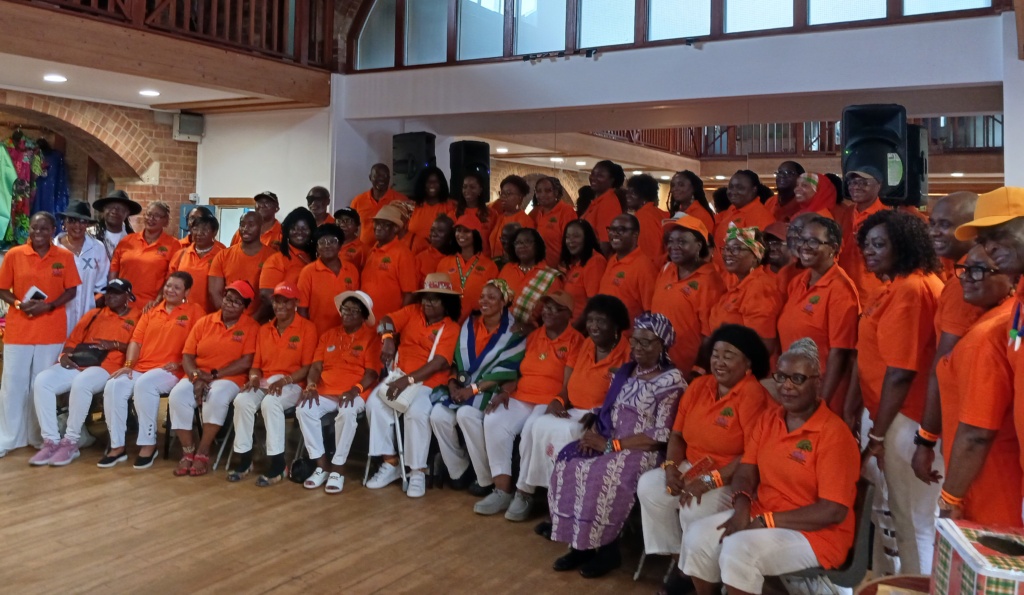
The ‘Krios’ are the descendants of various African-American, African and Caribbean previously enslaved and free peoples who British abolitionists resettled in the modern day West African country of Sierra Leone from 1787 onwards, in what they called the ‘Province of Freedom’. The Krio story is a unique one as it’s not just of Sierra Leone but of other African countries particularly Nigeria (as the majority of those resettled were Yoruba and Igbo), Ghana, Gambia, Cameroon, Congo, as well as Jamaica, the United States, Britain and Canada. This melting pot of different cultures is reflected in the Krio language, lifestyle, architecture, dress and traditions that evolved in the settlement subsequently called ‘Freetown’.
KDU-UKI ‘Untold Stories’
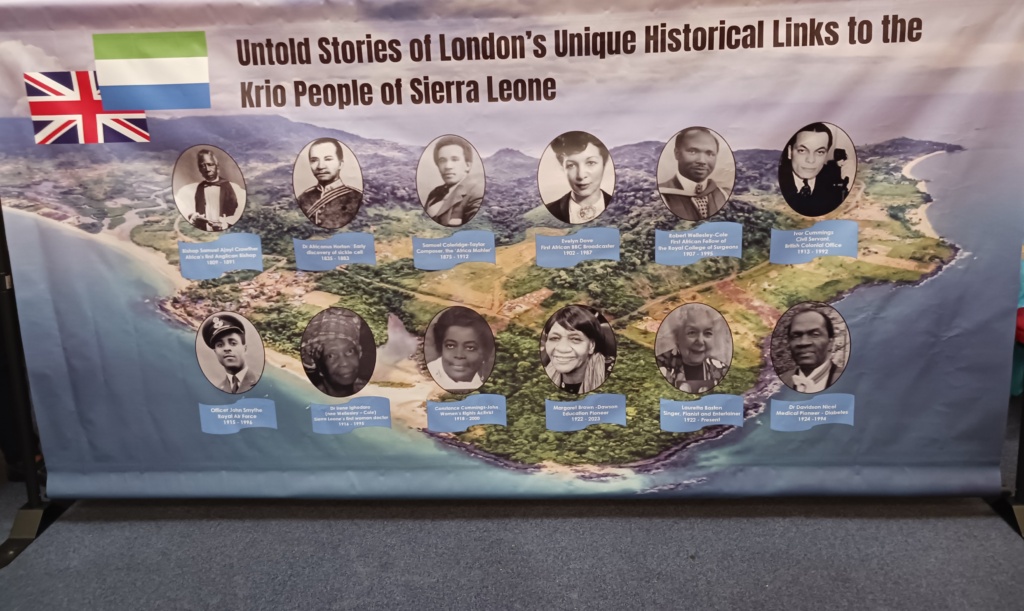
The KDU-UKI project called ‘Untold Stories of London’s Unique Historical Links to the Krio People of Sierra Leone’ ran its ‘Test and Nurture’ stage from 2023 to 2024, when it consulted the Krio community on how to tell their stories in London’s public space. The consensus was for a public mural of up to twelve ‘Notable Krios’ (provided we can secure permission and further funding!) and an online database of more ‘Notable Krios’ and their impact on London and beyond. The ‘Test and Nurture’ stage ended with the artwork of a concept mural of twelve Krios who had all impacted London / UK with their achievements, some of whom were pioneers in their various fields. Our online database has 65 such Krios and will continue to grow as we hear more stories of achievement.
Showcase of the Notable Dozen
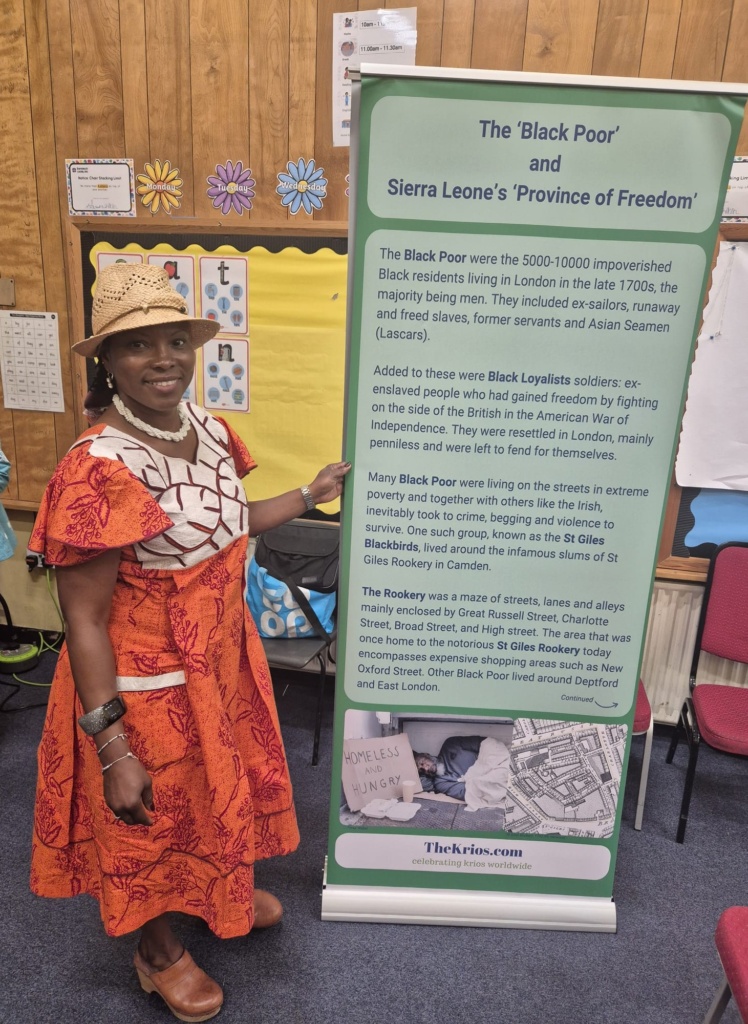
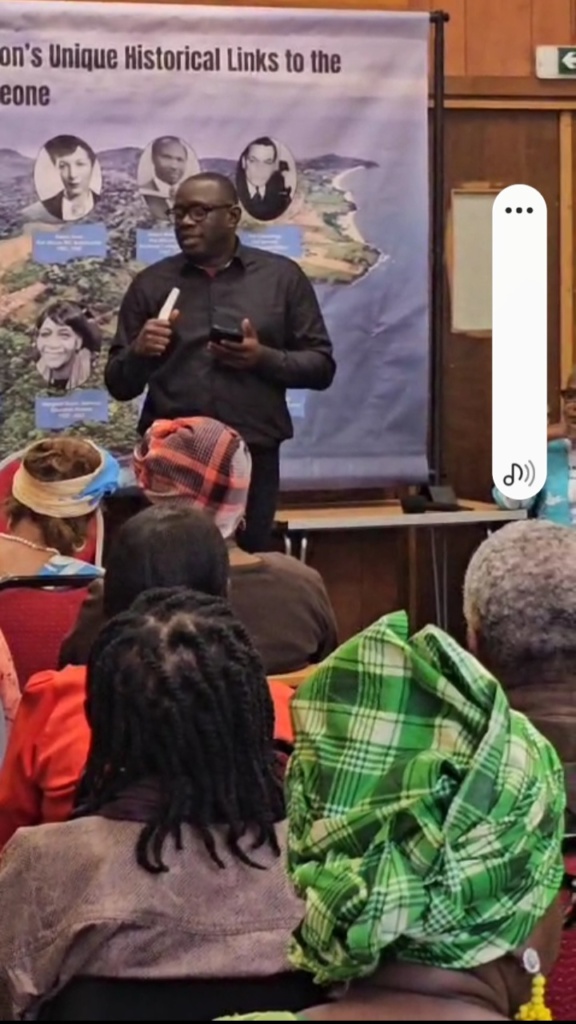
At the Black History Month event attended by around eighty people, we launched a large banner of the concept mural and through role play, (at times humorous), twelve members of KDU-UKI educated attendees on the stories and achievements of the notable Sierra Leoneans. The twelve ‘actors’ and ‘actresses’ took their roles very seriously. One such actor stole the show by changing into a white Navy uniform he’d bought from a fancy dress shop! Never mind his role play was for a Royal Air Force Pilot Officer, he still caused quite a stir. In addition to the mural banner, a pull-up banner with information on the ‘Black Poor of London’ was also on display, as the resettlement of approximately 400 of them to what abolitionists called the ‘Province of Freedom’ in Sierra Leone led to the beginning of the ‘Krio’ ethnic group.
And Then There were Twelve
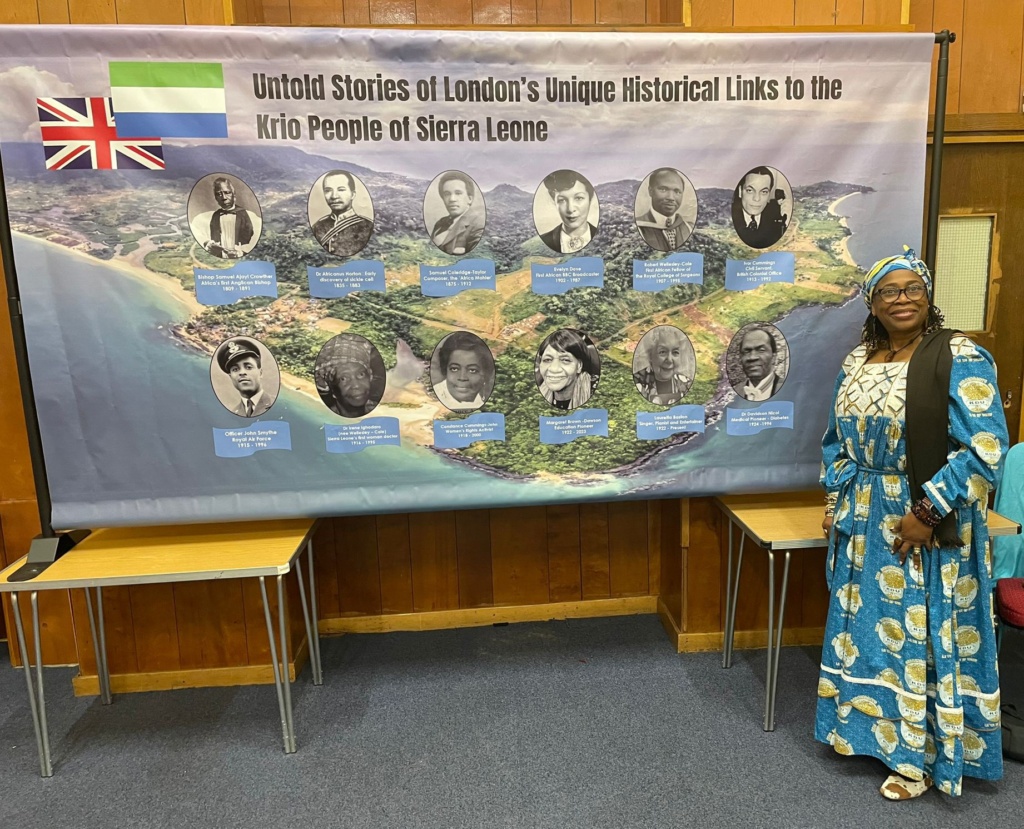
Below, I highlight the key achievements of the twelve Krio men and women who were trailblazers in fields such as religion, music, medicine, Government, military and education.
Bishop Samuel Ajayi Crowther 1809 – 1891 (played by Gibril Carew)
Born in Yorubaland in Nigeria, Ajayi arrived in Freetown as a ‘Liberated African’ around aged 12, having been freed from a slave ship destined for the Americas. He was the first student of Fourah Bay College in Sierra Leone. In 1864, Crowther was ordained at Canterbury Cathedral as the first African bishop of the Anglican Church. He later met Queen Victoria and recited the Lord’s Prayer to her in Yoruba. Gibril Carew as ‘Ajayi Crowther’ was challenged to do the same but said time didn’t permit! In Nigeria, Bishop Ajayi Crowther translated the Bible into Yoruba.
Dr Africanus Horton 1835 -1883 (played by Jesse Hamelberg)
Born in Freetown to James and Nancy Horton, both Igbo ‘Liberated Africans’. In 1859 he gained his MD and became the first African graduate of Edinburgh University. He qualified as a surgeon and was one of the first Africans to join the British Army.
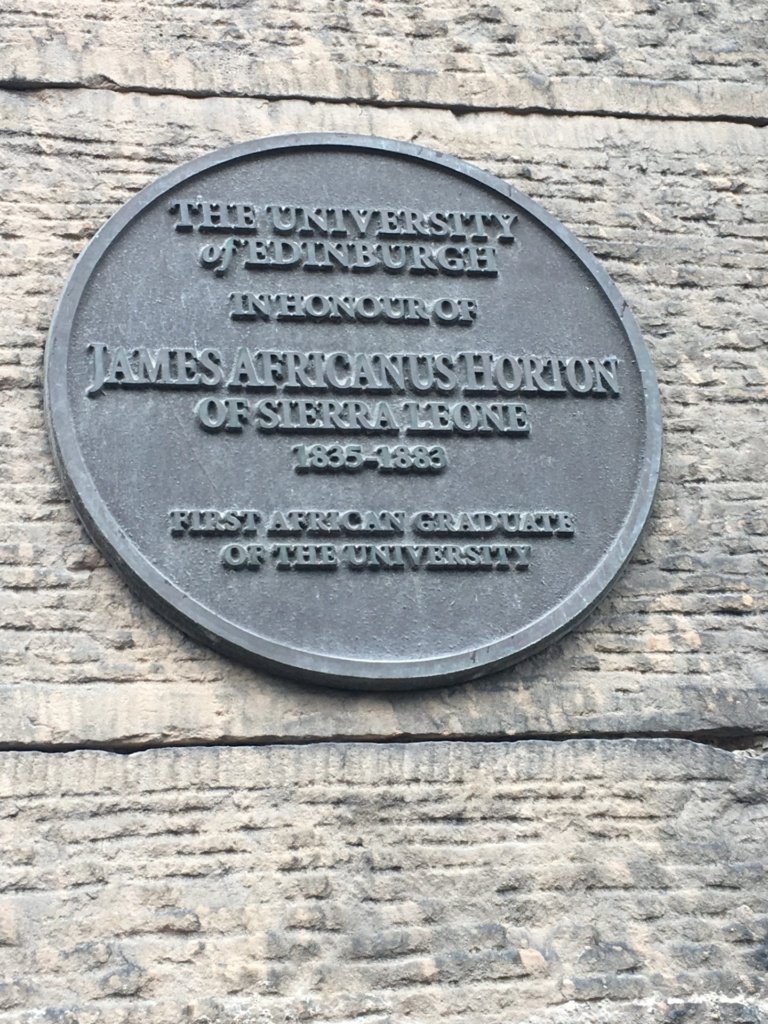
In his book ‘The diseases of Tropical Climates and their Treatment’ published in 1874, he described various features of the inherited disease that subsequently became known as ‘sickle cell’ when discovered in the West in 1910. Africanus Horton was a political thinker who advocated for the independence of African nations a century before this occurred. In 1976, a crater on Planet Mercury was named after him!
Samuel Coleridge-Taylor 1875 – 1912 (played by Sam Walker)
Born in London to Alice Martin, an English woman and a Sierra Leonean Krio doctor called Daniel Taylor who had returned to Africa without learning his girlfriend had been pregnant. Samuel Coleridge-Taylor therefore never knew his father.
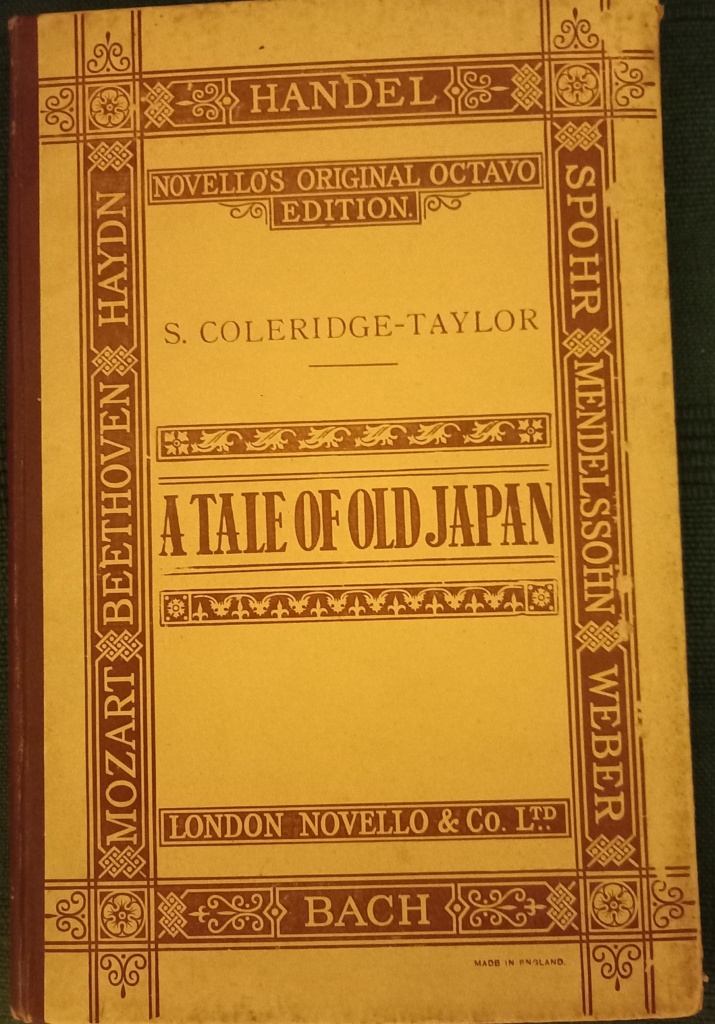
His mother named him after the poet Samuel Taylor Coleridge and later the young ‘Coleridge’ (as his mother and grandfather called him) used the name ‘Samuel Coleridge-Taylor’ with a hyphen, said to be following a printer’s typographical error! His grandfather played the violin and taught him how to play. At age 15, Coleridge-Taylor was one of the first Black students at the Royal College of Music (RCM) where he excelled. However, he was soon drawn to composing music instead and several of the young composer’s works were performed at the RCM. He is best known for his trilogy of cantatas collectively known as ‘The Song of Hiawatha’, based on a famous poem by Longfellow. Taylor married a fellow student who had also been at the RCM and they named their son ‘Hiawatha’! Coleridge-Taylor was friends with Victoria Davies (Queen Victoria’s god-daughter) who introduced him to Krios such as Adelaide Casely-Hayford and her sisters. He visited the United States several times and was a major celebrity invited to the White House by President Theodore Roosevelt. All this was when it was hard for African-Americans to fulfil their cultural aspirations and Coleridge-Taylor was seen as a champion of their cause, earning him the name the ’African Mahler’ . In America, he conducted performances of his music by a choir formed in his name, and became the first Black man to conduct a White orchestra. There are two blue plaques in London to his memory, one at the house in Croydon where he lived and died.
Evelyn Dove 1902 – 1987 (played by Iyshea Hunte)
Born in London to the leading Krio barrister Frans Dove and an English mother Augusta Dove (nee Winchester). In June 1926 her band ‘Evelyn Dove and Her Plantation Creoles’ was the only singing and dancing act of its kind in Europe. She was a very popular singer often compared to well-known American singer Josephine Baker who she replaced at the Casino de Paris in 1932. Made history in 1939 as one of the first Black singers on BBC Radio and the BBC employed her throughout World War Two. On 29 September 2023, a blue plaque was unveiled in her honour outside a house in Barnard Road, Battersea, where she had lived.
Robert Wellesley–Cole 1907 – 1995 (played by Lawrence Lusanie)
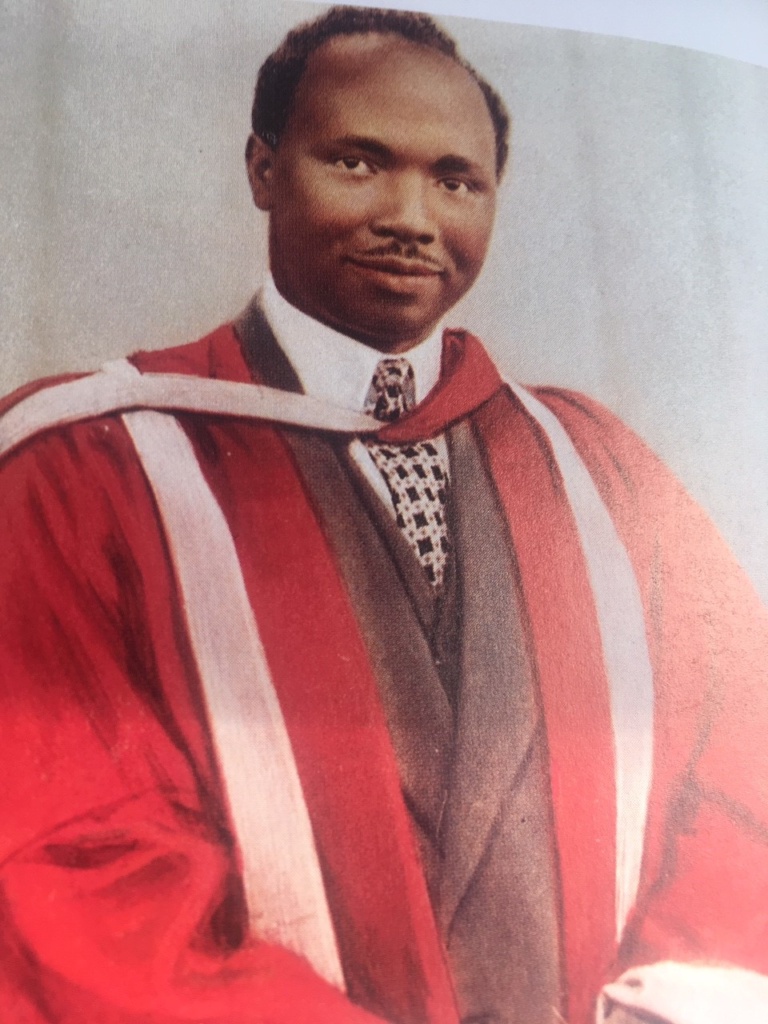
Born in Freetown, Sierra Leone as the eldest son of Civil Engineer Wilfred Sydney Ageh Wellesley-Cole who was the first Sierra Leonean to be Superintendent of the Public Works Department in Freetown. As a 15-year-old Head Boy of the Sierra Leone Grammar School Wellesley-Cole came second in the British Empire Cambridge Cert Exams In 1928, ahead of boys from all those posh English schools like Eton! He studied medicine at Newcastle and graduated with first class honours and became the first Black GP in Newcastle. He overcame considerable barriers and some racism to be elected the first black African FRCS/Fellow of the Royal College of Surgeons in October 1944. He also succeeded the great Dr. Harold Moody as President of the League of Coloured People, fighting for Black civil rights from 1947-49. In 1960, Cambridge University press published his childhood autobiography ‘ Kossoh Town Boy’ whichsold over 100,000 copies and was a textbook in Sierra Leonean and Nigerian schools. Wellesley–Cole was featured on the District Line section of the Black Cultural Archives and Transport for London map produced in 2021 to celebrate Black History in London.
Ivor Cummings 1913 – 1992 (played by Jacob Knox-Hooke)
Born in West Hartlepool, United Kingdom to Joanna Archer an English nurse and a Sierra Leonean doctor called Ishmael Cummings. He was the first Black man to work for the British Colonial Office in London (same as ‘Foreign Office’ now) where he became Assistant Welfare Officer. When the MV Empire Windrush docked at Tilbury in June 1948, he was sent to meet and welcome the new arrivals on behalf of the Colonial Office. (His welcome speech can be found online and at the National Archives). It was Ivor Cummings that suggested that as a short-term measure, the new arrivals could be accommodated in a deep air raid shelter in Clapham Common. He helped them settle and find employment. The nearest labour exchange to the shelter was Brixton. As a result, many of the settlers set up home there, making it one of Britain’s first Caribbean communities.
John Henry Smythe 1915 -1996 (played by Jonathan John)
Born in Freetown to John Henry Maitland Smythe, a civil service officer and Dorcas Elizabeth Black. His grandfather John H. Smythe was an American Ambassador to Liberia. When the British called on the colonies to assist its World War Two effort to stop Hitler’s Germany, Smythe volunteered. He was one of the few West Africans commissioned as an officer in the Royal Air Force (RAF). He trained as an RAF navigator helping pilots flying Lancaster bombers stay on course during bombing missions. He undertook 27 such bombing missions before their plane was shot down in 1943 and hespent 18 months in a German prisoner of war camp. After the war, he was seconded to the Colonial Office, with responsibility for the welfare of demobilised RAF personnel from Africa and the Caribbean. In 1948 I became the senior Colonial Office official on the MV Empire Windrush. On discovering that it would be very hard for the men to find jobs in Jamaica, Smythe consulted the Colonial Office, which agreed that the men should return to Britain. West Indians who settled in Britain from that point became known as the “Windrush Generation”. On 26 July 2025, a blue plaque was unveiled in Thame, Oxfordshire at the house where Johnny Smythe spent the last few years of his life.
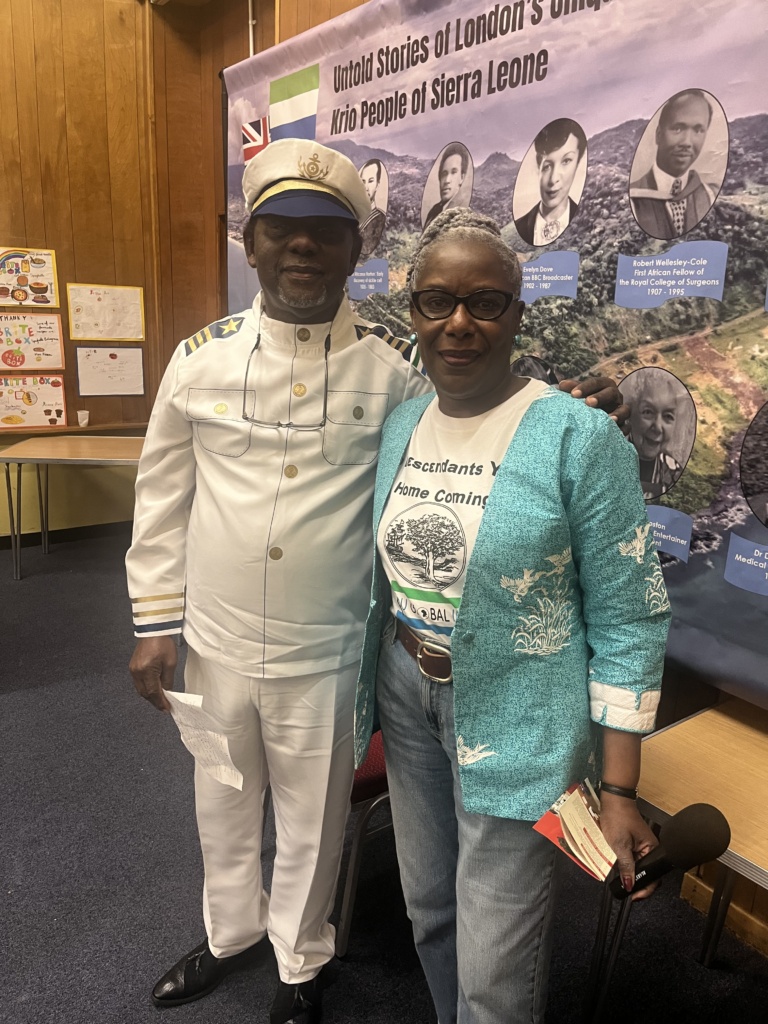
Irene Ighodaro 1916 – 1995 (played by her niece Patrice Wellesley-Cole)
Born in Freetown, Sierra Leone and was the younger sister of Robert Wellesley-Cole. She married Samuel Ighodaro a Nigerian lawyer in 1947 and spent much of her life in Nigeria. In 1938, Irene entered University of Durham to study medicine and was reportedly one of only three women in a class of 60. In 1944, she became the first Sierra Leonean woman to qualify in medicine, specialising in gynaecology. During World War 2 she treated war casualties. In the UK, she was a member of the League of Coloured Peoples and the West African Student Union (WASU) and was the only woman to present a paper at their 1942 conference in which she discussed West African problems and advocated for hospitals, schools and free education. In 1946, she helped found the West African Women’s Association, a first suchorganisation in Britain. She is among a selection of African women who worked for the British Health Service who are celebrated on a mural at Guy’s hospital in London. Bridge. On 25 June 2025, Dr Ighodaro was honoured with a commemorative plaque at Easton Hall, Eskdale Terrace, Jesmond, Newcastle where she lived as a medical student.
Constance Cummings-John 1918-2000 (Played by Florence Rollings-Bull)
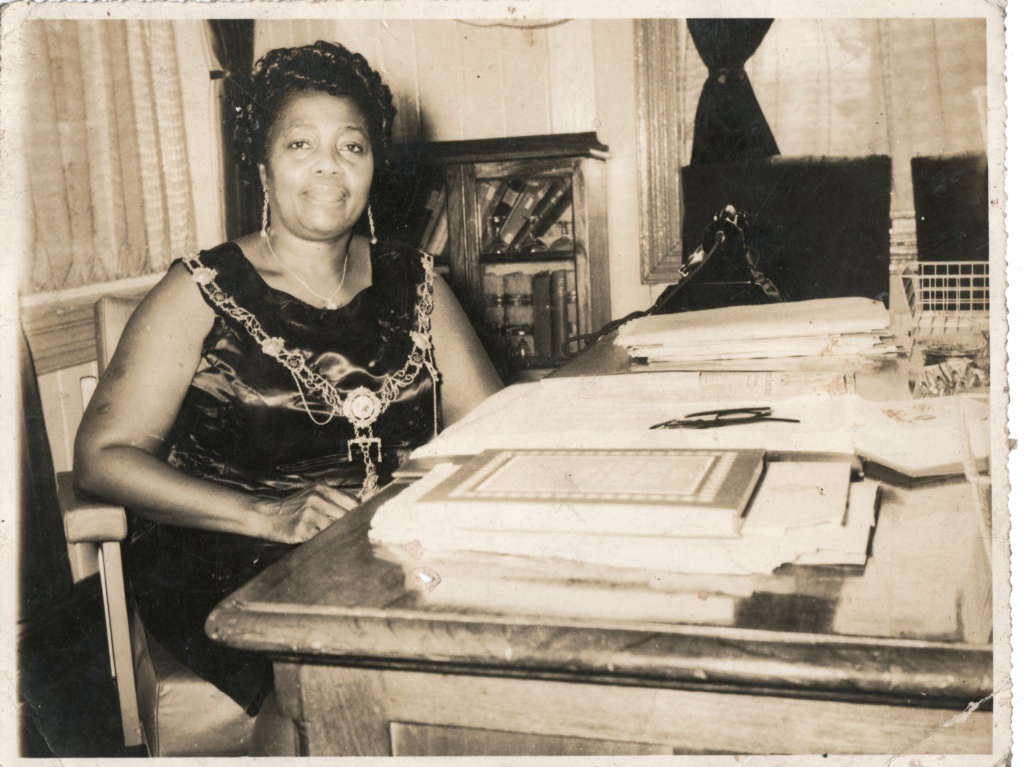
Born in Freetown in 1918 to a prominent Krio Family. Her father was City Treasurer and her mother a concert pianist. In 1935, she came to London to study and qualified as a teacher. At age 20 she became the youngest and first woman elected to the Freetown Municipal Council. In 1951 she founded the Sierra Leone Women’s Movement and the Eleanor Roosevelt School, which by 1953 had more than 600 students and offered free education. In 1966 she was elected as the Mayor of Freetown, thus becoming the first African woman to govern a capital city in Africa. Political instability in Sierra Leone caused her to finally settle in south London where she was an active member of the Labour Party, the Campaign for Nuclear Disarmament and a school Governor. She is now depicted on the new Sierra Leonean 20-Leone banknote. In June 2025, a blue plaque saying ‘educator, activist and pioneer of women’s rights’ was unveiled in her honour at the house in Tooting where she lived for over 20 years.
Margaret Brown-Dawson 1922 – 2023 (played by Yvette John)
Born in the Gambia and moved to Freetown as a young child. Moved to London in the mid-1950s where she worked at New Scotland Yard’s Criminal Records Office, updating records for computerisation. She was a pioneer in London who helped establish what later became known as Saturday schools for African and Caribbean children considered underachievers in mainstream schools. She held this pioneering role for over twenty years, teaching these children every Saturday at Fernhead Road Methodist Church in Northwest London. By Increasing awareness of the gaps in the mainstream education system regarding African and Caribbean children, she played her part among educators, researchers and activists in emphasising the need for educational role models from African and Caribbean leaders to inspire young people of that heritage.
Davidson Nicol 1924 – 1994 (played by Kayode Robbin-Coker)
Born in Bathurst Village, Sierra Leone. His father Jonathan Josibiah Nicol was a pharmacist who worked in Nigeria and Dr Nicol spent most of his childhood there. Dr Nicol was the first African to graduate with first class honours from Cambridge University in 1946 and was the first African fellow of Cambridge University. He made an important contribution to medical science when he analysed the breakdown of human insulin. This discovery led to the Nobel Prize for his dissertation supervisor and remains an important study in the modern treatment of diabetes.
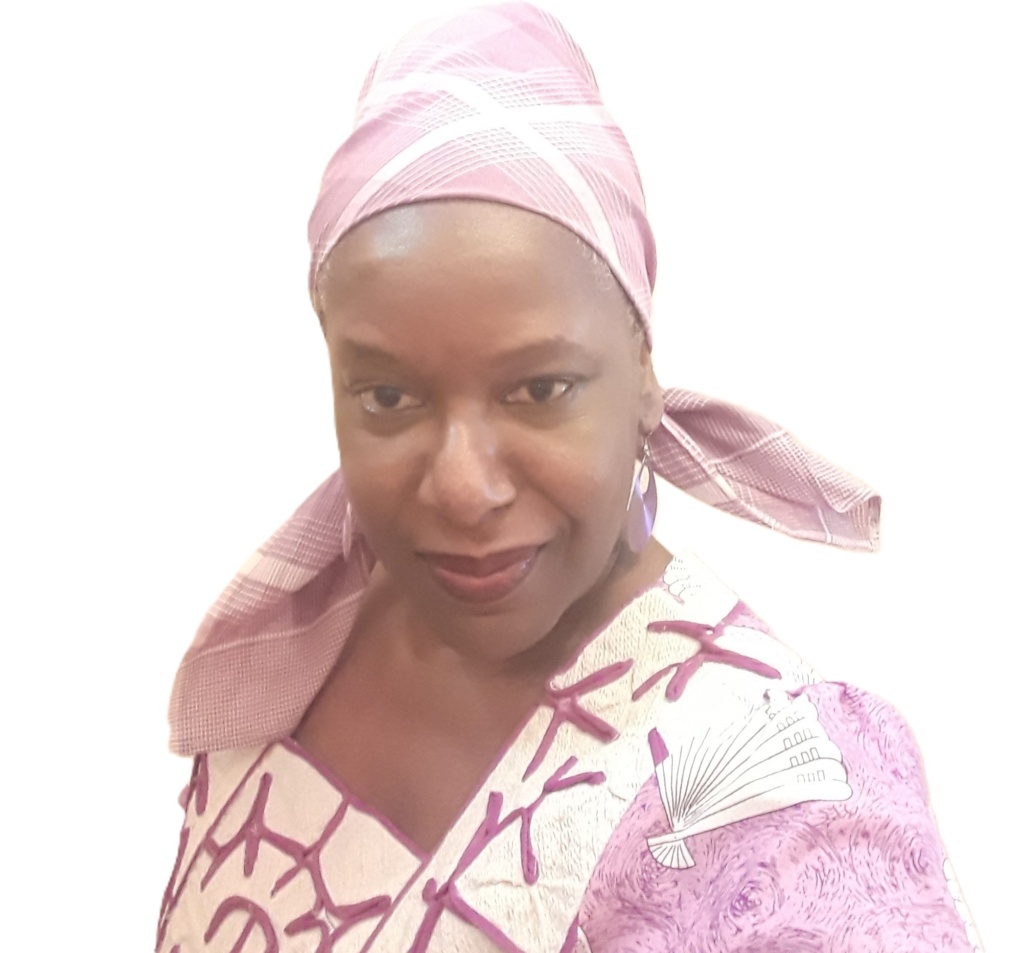
Lauretta Boston 1922 – current (played by Iyamide Thomas)
Born in London to a Sierra Leonean ‘Krio’ father (Nathaniel Boston) and a British mother. Lauretta grew up with her white grandmother in Paddington, who taught her to sing and play the piano from age 5. In 1929, at the tender age of seven she played and sang in front of the Lord Mayor of London at a children’s charity concert in Tottenham Court Rd.
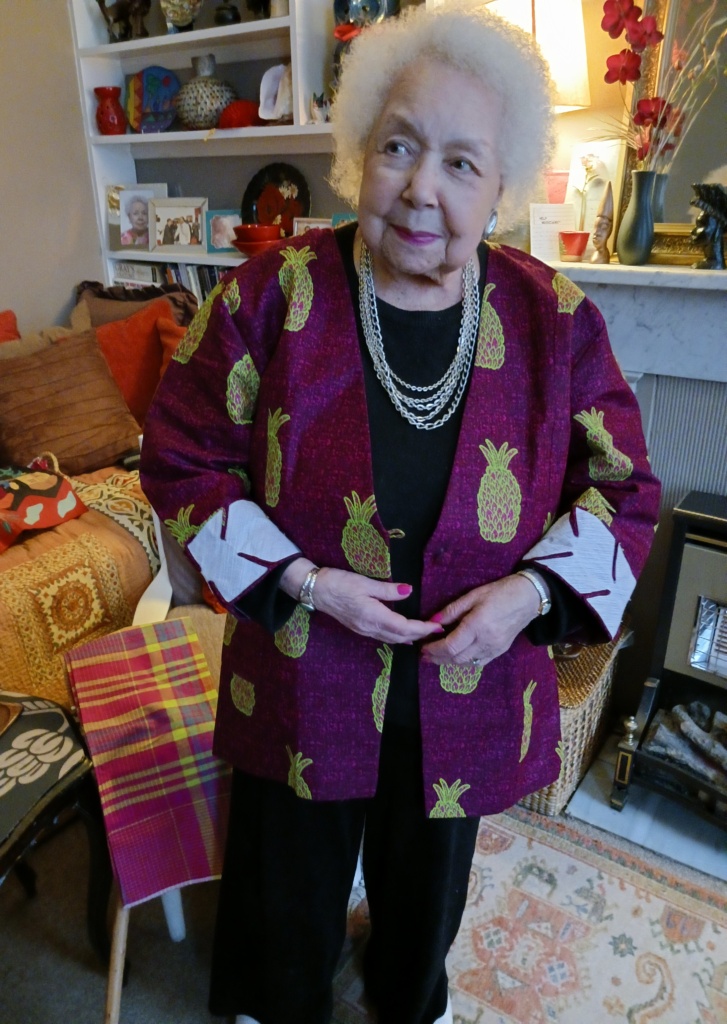
In 1939, the country was thrown into World War Two and Lauretta joined the Entertainments National Service Association (ENSA) which was formed to entertain the armed forces during the conflict. She was singing in shows around the country entertaining WW2 servicemen, but her story is not well known, unlike that of ‘British sweetheart’ Dame Vera Lynn. Lauretta was in Weymouth on 6 June 1944 and saw troops embark for the D-Day invasion to liberate France and Western Europe from Nazi Germany. She was one of few Black women on BBC Radio, participating regularly in ‘Childrens Hou’ and a variety of programmes. After the war, she sang at an elite nightclub in the West End called ‘Churchill’s’ and met a host of celebrities such as Elizabeth Taylor and Louis Armstrong. Lauretta turned 103 at the end of October. What an amazing centenarian she continues to be!
There’s no denying that the twelve people we showcased at our event were indeed trailblazers in their time. What better evidence than the fact that six of them have had plaques erected in their honour and one even has a crater on Planet Mercury named after him!