
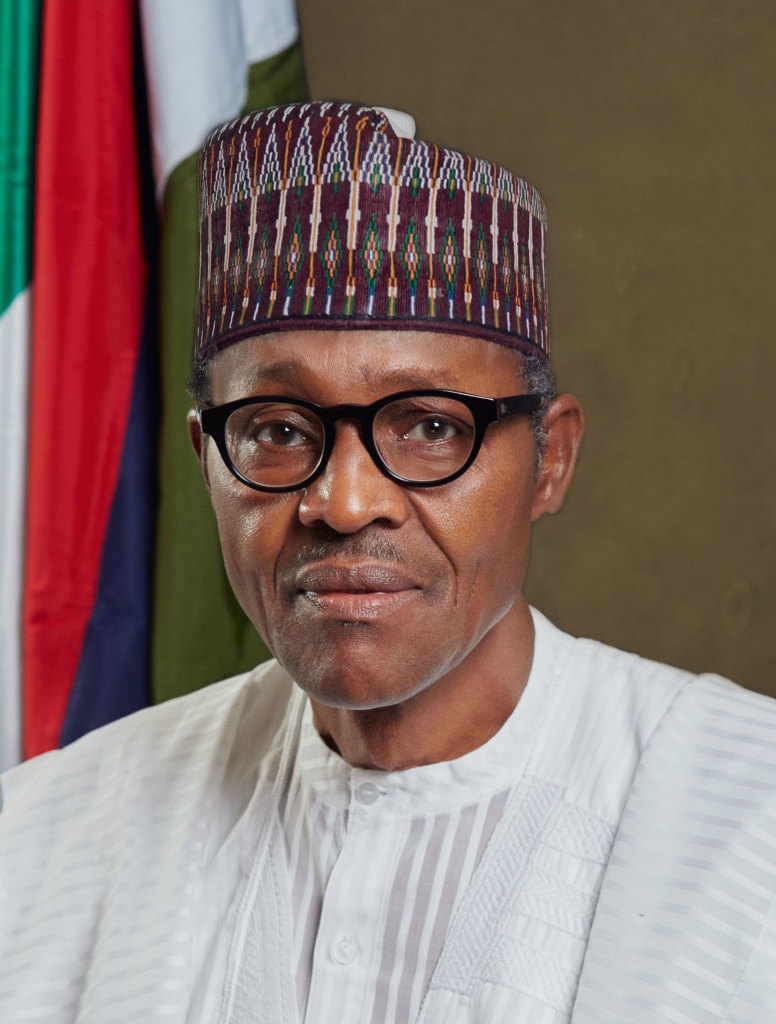
HIS BREAKTHROUGHS, BLESSINGS AND BLUNDERS
Ms Johanna Wilson-B BA (Hons) a British Parliamentary intern reviews the initial reflections of renowned Professor Chris Imafidon, and others’ on the death of and African statesman, soldier and stoic leader called General Muhammandu Buhari.
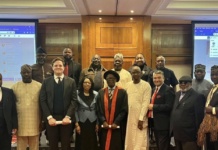
The news of former Nigerian President Muhammadu Buhari’s passing at The London Clinic has sent ripples across Nigeria and the African continent. From outside the very clinic where the former leader drew his last breath, renowned Professor Chris Imafidon offered a profound tribute on BBC and other live media, extending his prayers for Buhari’s family, Nigeria and for Africa. Professor Imafidon, an invited guest at Buhari’s 2015 inauguration, later joined one of the former president’s biological children, a poignant moment as they prepared for the solemn journey of the body back home. Imafidon’s reflections, emphasizing Buhari’s patriotism, integrity, and disciplined life, set the stage for a critical examination of a leader whose impact on Nigeria was as complex as it was undeniable. To truly understand Buhari’s legacy, one must dissect his “breakthroughs, blessings, and blunders” an unflinching look at a life dedicated to public service, marked by both triumphs and tribulations.
Breakthroughs: The Unyielding Fight for Integrity
Muhammadu Buhari’s initial foray into leadership as a military head of state from 1983 to 1985 left an indelible mark with his “War Against Indiscipline” (WAI). While authoritarian, this campaign resonated with a populace yearning for order and accountability, solidifying Buhari’s image as an incorruptible leader. This reputation was the bedrock of his democratic victory in 2015, as Nigerians, weary of pervasive corruption and instability, looked to him as a beacon of hope.
His subsequent democratic administration saw significant breakthroughs in the fight against corruption, with aggressive pursuits of embezzled funds and the recovery of stolen assets. Beyond anti-corruption, his government made notable strides in infrastructure development, particularly in road and rail networks, and pursued economic diversification to lessen Nigeria’s heavy reliance on oil. The relentless campaign against Boko Haram, though long and arduous, also saw territories previously controlled by the insurgents reclaimed under his leadership. Professor Imafidon’s recollection of Buhari’s reported last words, seeking forgiveness, speaks to a modesty and humility rarely seen in power, a testament to the man behind the presidential office.
Blessings: The Vision for a Better Tomorrow
Buhari’s return to power in 2015 was seen by many as a blessing, an opportunity to reset the nation’s trajectory. His commitment to prudent financial management and his personal asceticism were widely admired. He genuinely believed in the potential of Nigeria and worked to foster an environment for growth and development.
Perhaps one of the most keenly debated areas of Buhari’s legacy is his impact on education, technology, and youth development. While challenges persisted, his administration recognized the critical role these sectors play in national progress. Professor Chris Imafidon, reflecting on Buhari’s contributions, specifically noted:
“President Buhari was a firm believer in the transformative power of education and the potential of Nigerian youth. He understood that technology held the key to unlocking new frontiers for our nation. While there were significant challenges and the scale of the task was immense, his administration laid some foundational blocks, particularly in promoting digital literacy and fostering an environment for technological growth, even if the full fruits of these efforts are yet to be seen. He often emphasized the need to prepare our young people for the future, and this commitment, though sometimes slow in execution, was genuinely present.”
This vision translated into initiatives like the National Digital Economy Policy and Strategy (NDEPS) and the Nigeria Startup Act, aimed at nurturing a vibrant tech ecosystem. These were significant blessings for a nation striving to adapt to the digital age.
Blunders: The Unfinished Work and Lingering Challenges
Despite the breakthroughs and blessings, Buhari’s legacy is not without its blunders. His military rule, while praised for its anti-corruption stance, was marred by human rights abuses and a stifling of dissent, leaving a complex historical footprint.
In his democratic tenure (2015-2023), economic blunders included persistent high inflation, rising unemployment, and a depreciating currency, which left many Nigerians struggling to make ends meet.9 While diversification efforts were made, the impact on the average citizen’s livelihood was often limited. The initial gains against insecurity were tragically undermined by the resurgence of banditry, kidnapping, and ethno-religious conflicts, particularly in northern and central Nigeria. The widespread fear and a perceived lack of decisive action against these threats became a significant source of public frustration.
Furthermore, critics often pointed to perceived clannishness within his administration, which fueled accusations of a lack of national unity and inclusivity. His prolonged battles with ill-health, as acknowledged by Professor Imafidon, also led to periods of concern regarding leadership continuity and effective governance. Regulatory inconsistencies, such as the infamous Twitter ban, at times undermined efforts to foster technological growth and free expression, adding to the list of blunders. The “Japa” phenomenon, the mass exodus of skilled young Nigerians seeking opportunities abroad, highlighted the deep-seated frustrations and challenges faced by the nation’s youth.
Muhammadu Buhari’s life was a testament to dedication, but his legacy is undeniably a complex tapestry. He was a leader driven by a deep love for Nigeria, striving to instill discipline and combat corruption. Yet, his methods and policies often sparked debate and, at times, deepened divisions. Professor Imafidon’s poignant tribute from London serves as a powerful reminder of the man behind the headlines, a leader who, in his final moments, sought forgiveness, a rare act of humility. As Nigeria continues its journey, it will undoubtedly reflect on Buhari’s breakthroughs, blessings, and blunders, learning from both his triumphs and his challenges to forge a more prosperous and united future.
Ms Johanna Wilson-B BA (Hons) a British Parliamentary summer intern and a protégé of ExcellenceinEducation.org.uk programme. She has participated in the University of Oxford programmes and has research interests in STEM and AI.
Kindly follow us on twitter:@AfricanVoice2