
Clinical negligence lawyers at law firm Slater and Gordon are calling for more action as Black Maternal Mental Health Week UK 2026 (21 to 27 September) approaches and shines a spotlight on the experiences of Black mothers across the UK.
Together with social enterprise/community partner, The Motherhood Group, they are highlighting the connection between maternity care, maternal mental health and access to justice and warning that systemic racism, bias, failures to listen and a lack of compassion in maternity care can have profound consequences for Black mothers and families.
Black Maternal Mental Health Week UK 2026 raises awareness of the unique challenges affecting Black mothers before, during and after pregnancy, while championing solutions that improve maternal health outcomes and mental wellbeing.
The campaign highlights the importance of culturally competent care, community support, early intervention and systemic change to address the inequalities that continue to affect Black women and their families across the UK.
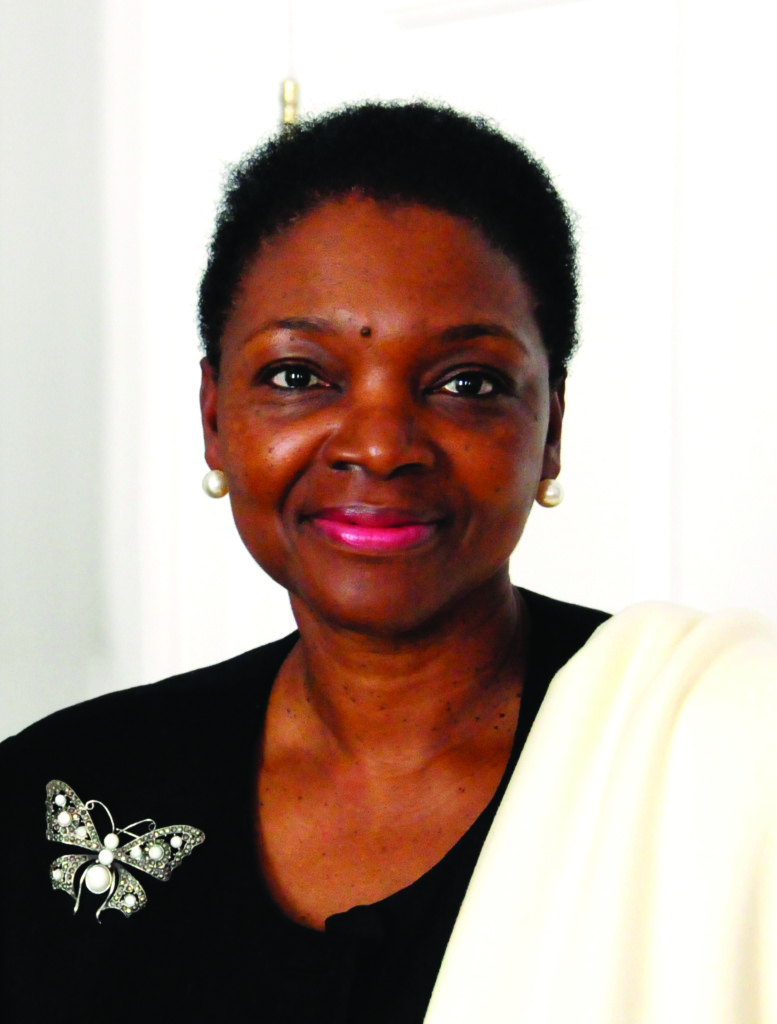
The publication on 30 June 2026 of Baroness Valerie Amos’ final report which reviewed maternity and neonatal services across 12 NHS trusts in England and analysed more than 9,500 pieces of evidence.
The report has brought renewed attention to the systemic maternity failures experienced by women and families by identifying eight recurring themes including racism and discrimination, inequalities, lack of trust, women not being listened to, and a lack of kindness, compassion and accountability when things go wrong. It concludes that England’s maternity and neonatal system requires urgent reform, with listening to women, tackling inequalities and improving accountability at the heart of its recommendations.
For Black women and families, these findings reflect concerns that campaigners, healthcare advocates and affected mothers have been raising for years. Now, Slater and Gordon’s clinical negligence lawyers and The Motherhood Group charity are calling on healthcare providers to address the issues highlighted in the landmark investigation by instilling systemic accountability, maternal health equality, and a celebration of Black motherhood across the UK, saying these critical legal and systemic failures continue to endanger the lives and mental well-being of Black mothers.
Campaigners and women affected by maternity failings have repeatedly highlighted concerns that Black women suffer racism, discrimination and inequality in maternity care experiences.
This includes being subject to harmful stereotypes, including assumptions that they have a higher tolerance for pain. Such beliefs can contribute to symptoms being underestimated or concerns being dismissed, potentially delaying treatment and impacting outcomes for both mother and baby.
Another key theme identified in the report was the failure to listen to women and their families. Many mothers reported having symptoms, concerns and instincts dismissed or minimised during pregnancy, labour and the postnatal period. For Black women, these experiences can further erode trust in healthcare services and contribute to poorer outcomes.
Baroness Amos also highlighted the importance of how organisations respond when care falls below acceptable standards. Baroness Amos, in the Interim Report of the National Maternity and Neonatal Investigation (26 February 2026) stated: “We have heard about families being disregarded and not listened to during pregnancy and labour, a lack of kindness and compassion, and reluctance on the part of trusts and professionals to admit mistakes and say sorry when things have gone wrong.”
For families dealing with birth injury, maternal injury, stillbirth or neonatal harm, the period after the incident can be one of the most psychologically difficult times of their lives. A failure to explain what happened, listen to concerns or acknowledge mistakes can deepen the trauma rather than help families begin to recover.
Holly Cossutta, Senior Associate and maternity specialist in the Medical Negligence team at Slater and Gordon, said: “We hear the same things time and again, of overt racism, unconscious bias, women not being listened to or taken seriously. Some mothers have tragically lost a child; some have had horrendous injuries to themselves or to their babies. They know their own bodies, and they know when something feels wrong. It’s very difficult to advocate for yourself when you’re heavily pregnant or in labour and you rely on staff to treat you with respect and give you all the information you need to make decisions about their treatment.
“The extent of the problems set out in Baroness Amos’ report is truly shocking and, quite rightly, a light is being shone on these issues. It’s a disgrace that women are being treated in this way.”
The combined impact of discrimination, being ignored and poor responses when concerns are raised, can have devastating consequences. Beyond physical outcomes, poor maternity experiences can have a lasting effect on maternal mental health and the emotional trauma including anxiety, depression and a loss of confidence in healthcare services, resulting from these failures and poor maternity care can be profound, devastating and irreversible, particularly when concerns are not acknowledged or lessons are not learned.
Reflecting on the wider impact of maternity inequalities, Holly said: “Black women in the UK are more likely to die during pregnancy, childbirth and the post-natal period compared with white women. It’s not just mothers suffering, it’s babies too. The rate of stillbirths is higher in babies born to black and Asian mothers compared to babies born to white mothers; this is unacceptable.”
Alisha Puri, Senior Associate in the Medical Negligence team at Slater and Gordon and has particular experience in birth injuries and maternal birth trauma cases, said when things do go wrong access to independent legal advice can form an important part of helping families understand what happened and what options may be available to them. She has also spoken publicly about health inequalities and the importance of addressing racial and socio-economic disparities in healthcare.
For Black mothers, ensuring that people understand their rights is particularly important when experiences of racism, dismissal or a lack of trust may make it harder to challenge poor care.
Alisha said: “Every mother deserves to feel safe, respected and listened to throughout pregnancy and childbirth. The findings of Baroness Amos’ report reinforce what too many families have told us over the years, that concerns are sometimes dismissed and opportunities to prevent harm are missed.
“When a mother or family feels that their concerns have not been heard, access to specialist, independent legal advice can provide an important role in helping families understand what happened, obtain and scrutinise answers on whether the care was reasonable and secure accountability where appropriate. Legal advice is not simply about compensation. Just as importantly, legal cases can help drive learning and improvements across the healthcare system so that failures should never be repeated and future families receive the care they deserve.”
The Motherhood Group has supported more than 18,000 Black mothers through community programmes, peer support, research and advocacy, while its Black Maternal Mental Health Week UK 2026 campaign creates space to address both the challenges facing Black mothers and the joy, connection and community that are central to Black motherhood.

Sandra Igwe MBE, Founder & Chief Executive of The Motherhood Group, called for immediate, nationwide systemic movement and said: “As a Black mother who understands the issues with perinatal mental health, I’ve seen the critical gaps in our system. The Motherhood Group recognises the importance of destigmatising mental health and empowering Black mothers to lead these conversations. Visibility isn’t symbolic, it restores dignity and improves outcomes. We must challenge the systems, attitudes, and practices that leave Black mothers unheard or unsupported.”
This year’s Black Maternal Mental Health Week UK 2026 theme is ‘Joy • Justice • Journey’, recognising that Black mothers deserve not only safer and fairer care, but also the opportunity to experience motherhood with wellbeing, connection, dignity and support.
Sandra added: “Black Maternal Mental Health Week UK 2026 exists because Black mothers continue to face significant inequalities in healthcare and barriers to receiving the support they need. Awareness alone is not enough. We need action, accountability and meaningful change across healthcare systems.
“Black motherhood deserves to be spoken about through joy, hope, love, community and celebration, as well as through the urgent conversations about inequality, trauma and change.
“By amplifying lived experiences, supporting families and working with partners across healthcare, legal and community sectors, we can create a future where every Black mother receives equitable, compassionate and culturally competent care.”
Kindly follow us on twitter:@AfricanVoice2