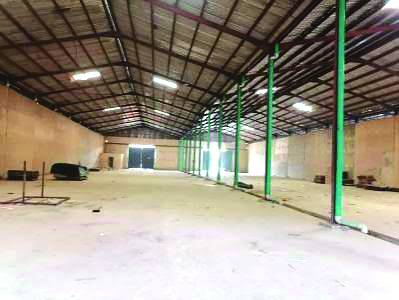
By Babatunde Adekanmbi – If one observes Nigerians in the diaspora closely, a striking pattern emerges. They send millions of pounds and dollars home each year, but the majority of this money flows into land and property rather than into operating businesses. Houses rise in Lekki, estates expand in Abuja, warehouses are built in Ogun, and land is acquired in Owerri, Aba, and Onitsha. Yet, businesses that could generate jobs and stimulate local economies are rarely established.
When asked why, the answer is often the same: “If my eyes are not on it, it will grow wings.” In other words, without direct supervision, investments in businesses are seen as too risky. Instead, diaspora Nigerians remain abroad, running pharmacies, managing care homes, driving trucks, and sending money home to assets that sleep. Land appreciates, but businesses never start.
The Paradox of Trust
Professor Ojo Emmanuel Ademola highlights a paradox that underscores Nigeria’s economic dilemma. A Nigerian in Lagos can start a business in London, appoint another Nigerian to manage it, and sleep soundly. Yet, the same Nigerian in London cannot start a business in Lagos, appoint a Nigerian manager, and rest easy. The same people, the same blood, but different environments.
This paradox is not primarily about trust in individuals. It is about trust in systems. In Manchester, the system enforces agreements. In Lagos, agreements often enforce nothing. Trust is not just about people; it is about structure. Nigerians abroad trust fellow Nigerians because the system makes trust cheap. At home, distrust prevails because the system makes trust expensive.
Systems, Not Saints
Professor Ademola argues that the focus should not be on finding “honest people” but on building systems that make honesty the easiest option. In Manchester, honesty pays better because accountability structures are strong. In Mushin, honesty is costly because accountability is weak. The environment shapes behaviour. Change the environment, and the behaviour changes too.
This insight is crucial for Nigeria’s economic development. The diaspora’s reluctance to invest in businesses at home is not a reflection of personal failings but of systemic weaknesses. Without reliable enforcement of contracts, transparent governance, and robust institutions, investments remain locked in land rather than flowing into enterprises that could drive growth.
Sustainability and Economic Growth
Economic development cannot be divorced from sustainability. Nigeria’s reliance on diaspora remittances for property investment creates a fragile growth model. Land and houses do not generate jobs, nor do they produce goods or services. They are passive assets. For sustainable development, Nigeria must channel diaspora funds into productive ventures—manufacturing, technology, agriculture, and services—that create employment and expand the economy.
Professor Ademola emphasises that sustainability is not just environmental but institutional. Sustainable economies are built on systems that endure, that enforce agreements, and that reward accountability. Without such systems, trust remains expensive, and investment remains shallow.
The Future of Work in Nigeria
The future of work is being reshaped globally by technology, automation, and shifting demographics. For Nigeria, the challenge is twofold: creating jobs for a rapidly growing population and ensuring those jobs are sustainable in a changing world. Diaspora Nigerians have shown resilience and adaptability abroad, thriving in sectors such as healthcare, logistics, and retail. Yet, these skills are not being harnessed at home.
Professor Ademola suggests that Nigeria must build systems that allow diaspora Nigerians to replicate their success domestically. If Nigerians can run logistics companies in Manchester, they should be able to run logistics companies in Lagos—provided the system enforces accountability. The future of work in Nigeria depends on creating environments where trust is cheap, where agreements are binding, and where honesty pays.
Policy Implications
To unlock diaspora investment in businesses, Nigeria must undertake systemic reforms. Courts and regulatory bodies must enforce contracts reliably, ensuring investors know that agreements will be upheld. Transparency must be strengthened to reduce corruption through processes that make accountability visible. Infrastructure—power, transport, and communication systems—must be reliable to support business operations. Policies must encourage diaspora Nigerians to invest in enterprises, not just land. Education and skills training must align with the future of work, equipping Nigerians with the capabilities needed for technology-driven industries.
Changing the Narrative
The narrative of Nigerians abroad investing only in land must change. Land is safe, but it is static. Businesses are risky, but they are dynamic. They create jobs, stimulate innovation, and drive growth. For Nigeria to achieve sustainable development, diaspora investments must move from passive assets to active enterprises.
Professor Ademola’s analysis is a call to action. It is not enough to pray for honest employees or hope for trustworthy managers. Systems must be built where honesty is the easiest option, where accountability is enforced, and where trust is cheap. Only then will diaspora Nigerians feel confident to invest in businesses at home.
Conclusion
Nigeria stands at a crossroads. The diaspora sends billions home, but much of it lies dormant in land and property. To unlock the full potential of these remittances, Nigeria must build systems that enforce agreements, reward accountability, and make trust affordable. Economic development, sustainability, and the future of work all hinge on this transformation.
Professor Ojo Emmanuel Ademola’s insights remind us that the problem is not the people but the environment. Change the environment, and the behaviour changes too. For Nigeria, the path to sustainable growth lies not in finding saints but in building systems. Only then will the diaspora’s wealth translate into businesses that drive the nation forward.