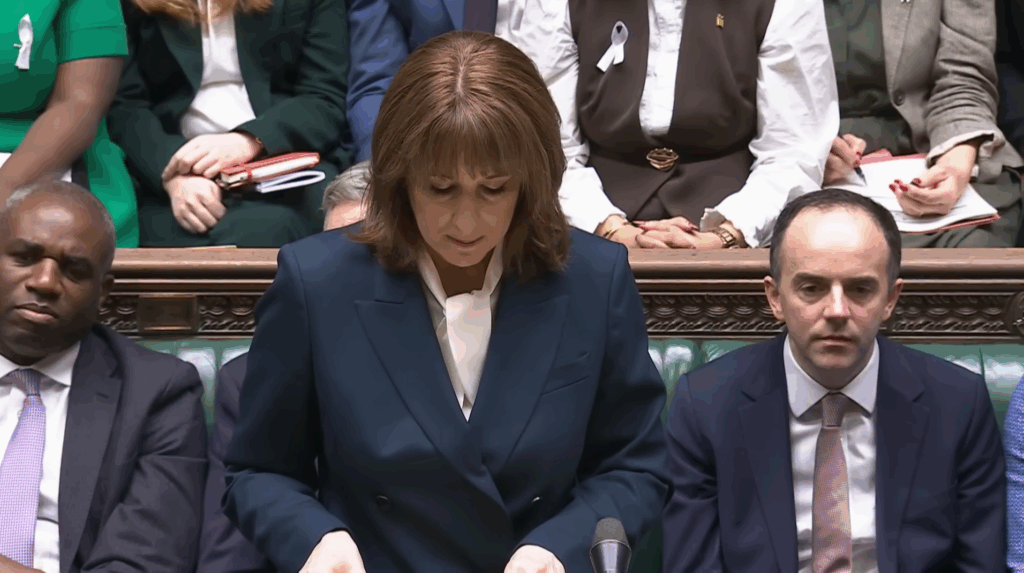
By Professor Imafidon – The British finance minister addresses the nation on the Budget for the country. Professor Chris Imafidon, renowned adviser to monarchs, governments, presidents and unicorn founders or corporate leaders was in parliament and reviews Chancellor Rachel Reeves’ Autumn Budget 2025.
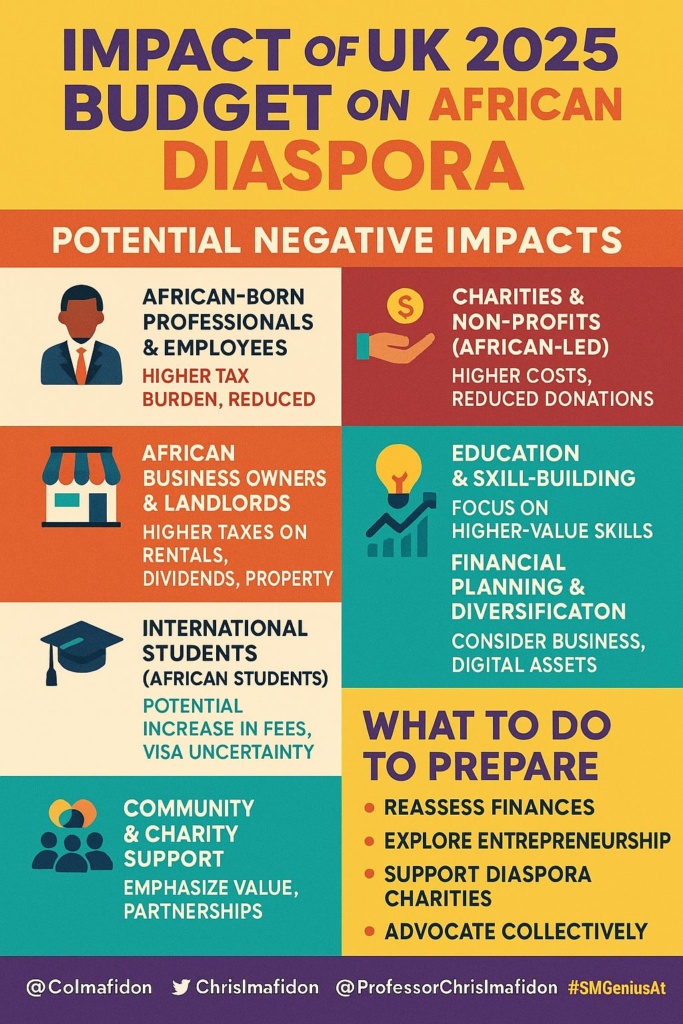
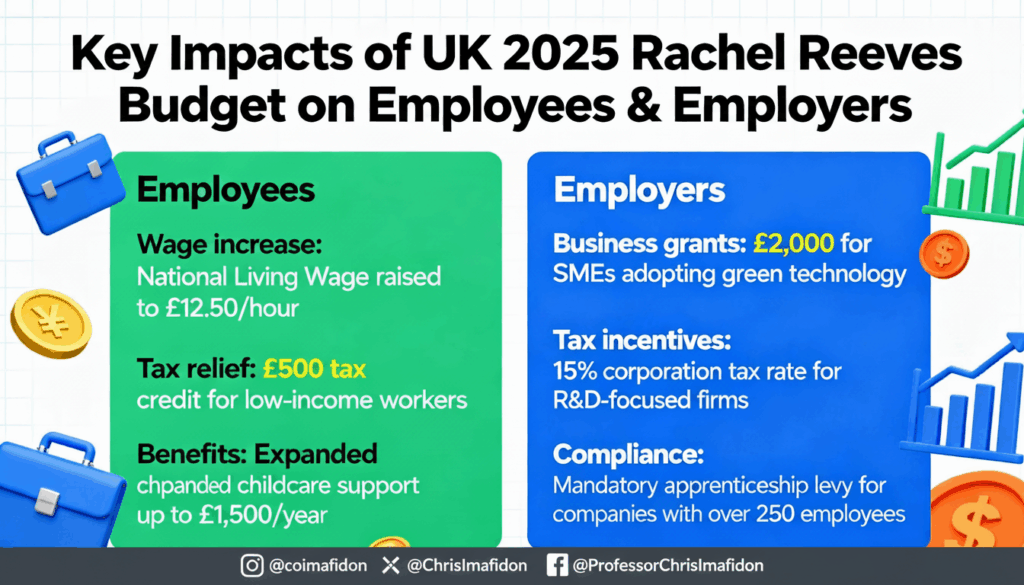
The spending plan focuses on stabilizing public finances through a £26 billion tax package, described as delivering “fairer taxes, stronger public services, and a stable economy.” Key fiscal policies include frozen tax thresholds, increased employer National Insurance Contributions (NICs), minimum wage hikes, and targeted reliefs. These aim to raise revenue while supporting low-income groups and public spending, but they introduce higher costs and fiscal drag (where inflation and wage growth push people into higher tax bands without rate changes).
Key Policies and Their Direct Impacts
| Policy | Description | Impact on Employees | Impact on Employers |
| Income Tax & NIC Threshold Freeze | Personal allowance frozen at £12,570; higher-rate threshold at £50,270 until April 2031. Employee NICs unchanged. | Fiscal drag affects ~1 million workers, pushing them into 20% or 40% bands; average earner (£35k) faces £400-£600 extra tax by 2029-30. No direct relief for mid/high earners. | Minimal direct hit, but indirect pressure from wage demands to offset employee tax rises. |
| Employer NICs Increase | Rate rises from 13.8% to 15% from April 2025; threshold drops from £9,100 to £5,000. | Indirect: Higher employer costs may slow wage growth or lead to hiring freezes/redundancies, affecting job security. | Adds ~£25bn annual payroll costs; small firms hit hardest (e.g., 1% of payroll for average business), potentially reducing hiring or investment. |
| National Living Wage Rise | Up 6.7% to £12.21/hour for over-21s (from April 2025); youth rates also increase. | Boosts take-home pay for ~3 million low earners by £1,500/year on average; offsets some fiscal drag for bottom quintile. | Increases labor costs by ~£2bn; combined with NICs, total wage bill up 1-2% for low-wage sectors (e.g., retail, hospitality). |
| Other Relevant Changes | CGT rate to 24% for higher earners; inheritance tax on pensions from 2027; stamp duty surcharge on second homes to 5%; fuel duty freeze. | Higher savers/investors face reduced returns; energy bill relief (£150/household) aids disposable income. | Property-owning businesses face higher acquisition costs; green incentives (e.g., EV tax breaks) benefit some sectors. |
Overall, employees see mixed effects: low-paid gain from wage hikes (~£1,200 net benefit for bottom 10%), but middle earners lose via fiscal drag (£500-£1,000/year). Employers face a “double whammy” of NICs and wages, raising costs by £25-30bn annually, which could curb recruitment or pass costs to consumers/prices. OBR forecasts 1.5% GDP growth in 2025 but warns of subdued 1.2% in 2026 due to contractionary fiscal stance.
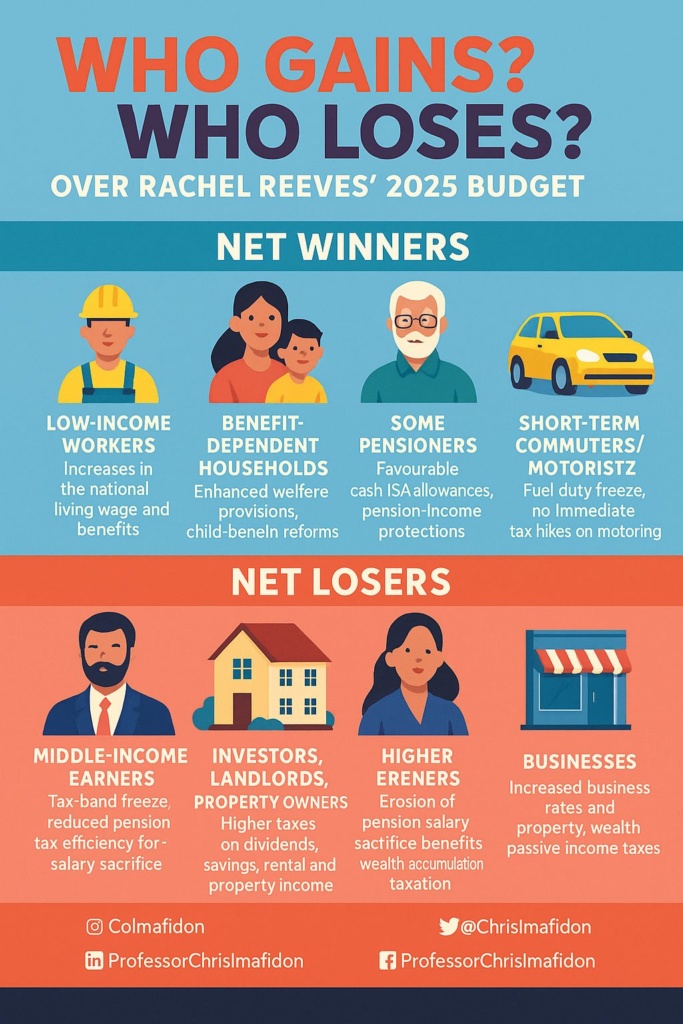
Net Winners and Losers
The budget redistributes from middle/high earners and businesses to low-income households and public services. Resolution Foundation analysis shows 60% of households lose £200-£500 net by 2029, while 20% (mostly low-income) gain. IFS notes it’s “fiscal fiction” as much pain is delayed until post-2027 election.
| Group | Net Winners (Gains) | Net Losers (Losses) |
| Income Levels | Low-income workers (£20k-£25k): +£1,000-£1,500 from wage rise minus minor drag. Pensioners: Triple lock protects state pension (+£400). | Middle earners (£30k-£60k): -£400-£800 from fiscal drag into higher bands. High earners (>£100k): -£2,000+ from CGT/IHT changes. |
| Businesses/Sectors | Green tech firms: EV incentives and £1bn battery investment. Public sector: £20bn extra NHS/schools funding. | Small/medium enterprises: +1-2% payroll costs; hiring down 0.5-1%. Second-home landlords: +2% stamp duty. |
| Other | Families with 3+ children: Two-child benefit cap scrapped, reducing child poverty by 500k. | Savers/investors: ISA overhaul limits cash flexibility; pension tax relief capped. Second-home owners: Mansion tax surcharge from 2028. |
Winners (25% of population) are concentrated at the bottom (e.g., min wage workers gain 4-5% disposable income). Losers (60%) are middle/working families and SMEs, facing higher effective taxes without proportional relief. High earners/business owners lose most in absolute terms (£5k+).
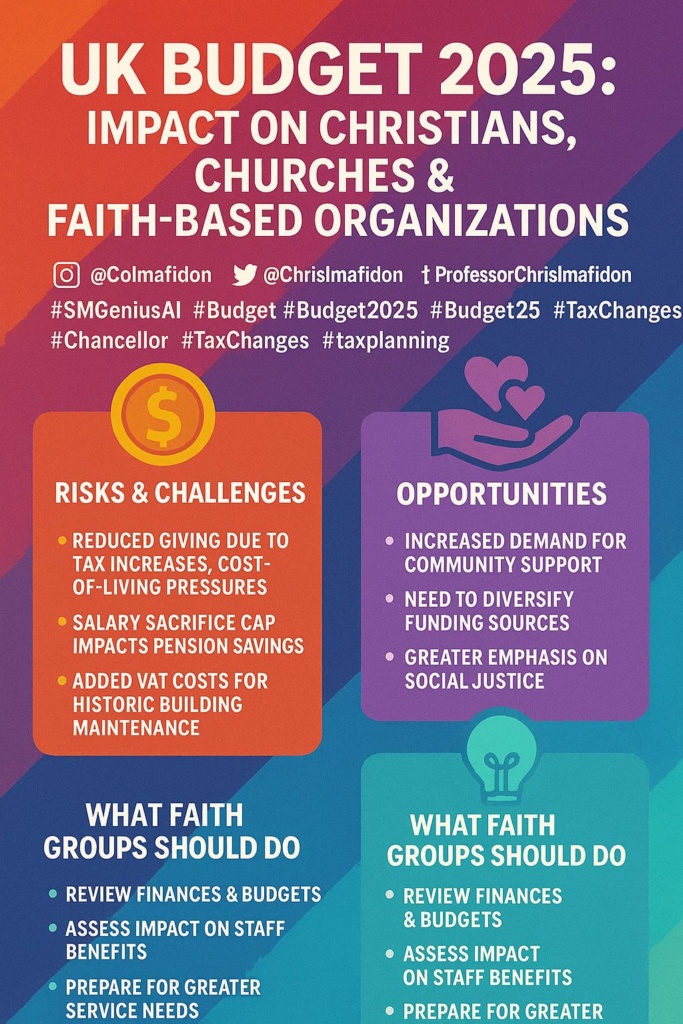
Initial reactions to the Budget
Professor Imafidon, attending live in Parliament, was interviewed on LBC/LN24 TV minutes after the speech, focusing on the “one million workers face higher tax rate” angle highlighting how frozen thresholds push earners into higher bands amid cost-of-living pressures. He described it as a “bold fiscal reset” but criticized the £26bn tax haul as the highest burden since WWII, labeling it a “major tax hike on savings and wealth” that creates uncertainty for professionals and families.
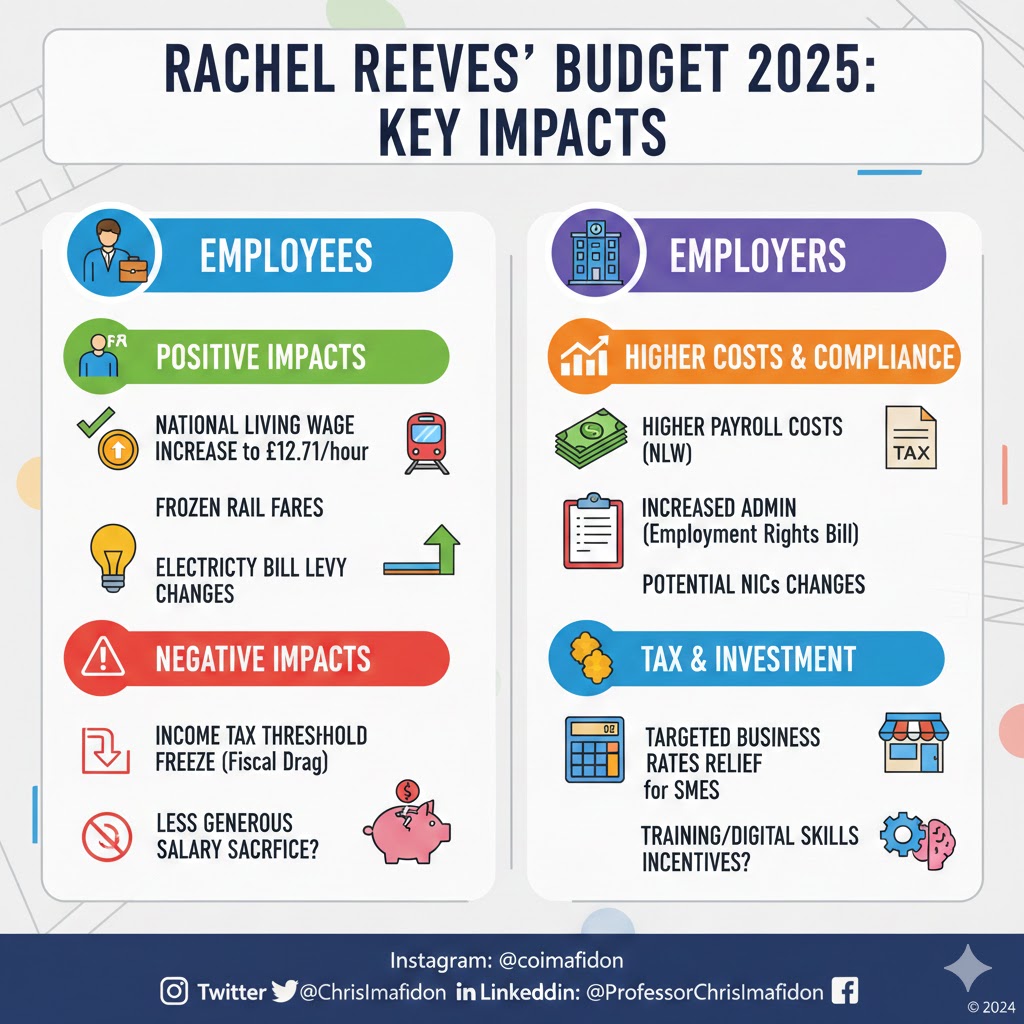
On social media, #Budget, Budget2025, #OBR #OBRbudget etc were trending during the presentation of the budget, And on (X/Twitter @ChrisImafidon, LinkedIn, Instagram), Professor Imafidon deployed mathematical model to illustrate the spending via infographics breaking down the budget’s “sweeping” changes (e.g., energy relief, mansion tax, benefit reforms) while urging viewers to “urgently understand the numbers” for tax planning. His core view: The budget prioritizes public spending and worker support (e.g., wage rises, energy cuts). The Chancellor calculations fall short by over-relying on levies, risking reduced resilience. As an alternative, Imafidon advocates “self-reliant income diversification” through skills training, entrepreneurship, and AI/tech adoption to build wealth actively contrasting Reeves’ approach with his “focus on entrepreneurship amid uncertainty.” He called for “resilience and adaptation” via genius mentoring programs, positioning the budget as a short-term fix lacking long-term growth drivers. Posts garnered quick engagement, with calls for his e-book on “hidden opportunities” in the changes from the budget.