
New solutions to dramatically increase the number of patients receiving a timely formal diagnosis of dementia are to be rolled out by the end of the decade, Science Minister Lord Vallance sets out on Friday 24 October.
With one million people in the UK living with dementia – a number expected to rise to 1.4 million by 2040 – researchers and industry have been backed by £5 million of initial funding to come up with ideas to improve the quality of life for those living with this devastating disease and ease pressure on the NHS.
The aim is that, by 2029, more than 92% of patients could be diagnosed within 18 weeks of a doctor’s referral – up from less than half currently.
Solutions could include ramping up work on blood tests that spot the build-up of proteins associated with dementia, or saliva analysis that notices hormone changes at the early stages of a fading memory, or even before symptoms have begun to show.
Such breakthroughs would mark a significant shift from traditional tests relying on noticeable signs of decline and could allow early treatment to help manage symptoms, slowing progression through lifestyle changes, and improving quality of life of people with dementia.
Other potential solutions could see the development of AI-powered daily routine assistants which work through smart speakers or tablet devices and learn the activities someone enjoys and their cognitive abilities – from suggesting brain training exercises, offering reminders for daily tasks, helping with simple cooking instructions or facilitating video calls with family.
With 1 in 4 acute hospital beds occupied by a person with dementia in England, these tools will help more people to get the care they need, when they need it, and in their community, supporting the NHS as we build a health service fit for the future.
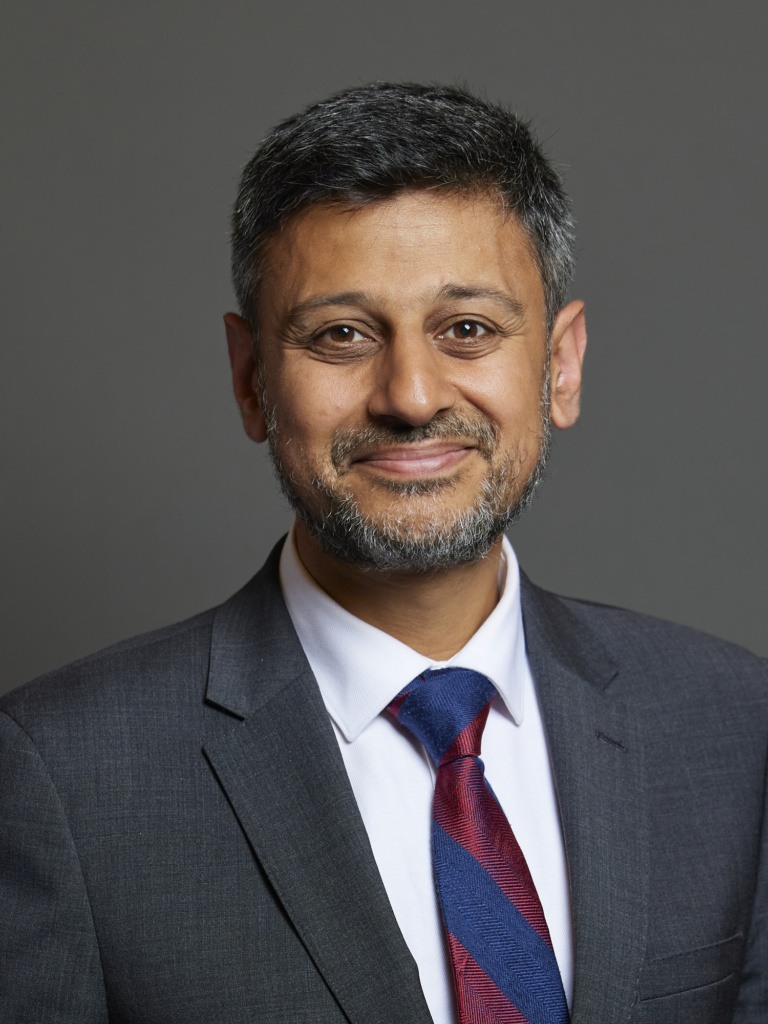
The challenge was announced by Science Minister Lord Vallance on a visit to the UK Dementia Research Institute in Cambridge with Health Minister Zubir Ahmed, where they spoke to researchers working to tackle a disease that affects so many families across the country.
Science Minister Lord Vallance said: Few people in the UK will go through life untouched by the impact of dementia – whether through a personal diagnosis or in caring for, or coming to terms with, its effect on a loved one.
We must therefore grasp the opportunities that science and technology offers in getting people the early and effective diagnosis they need to continue living fulfilled lives while reducing the pressure on hospitals.
Whether it involves advanced blood tests or home AI tools and much more besides, we’re setting a clear, measurable and ambitious target, challenging researchers to drive forward potentially game-changing discoveries to transform the lives of people across our country while building an NHS fit for the future and growing our economy.
Health Minister Dr Zubir Ahmed said: For too long, our health system has struggled to support those with complex needs, including the one million people living with dementia. This ambitious challenge represents a crucial step forward in our mission to build an NHS fit for the future.
By harnessing the power of innovation to diagnose dementia faster and more accurately, we can ensure patients and their families get the support they need earlier, when it can make the greatest difference.
Together, we will transform how we approach dementia care and give millions of people the chance of a better quality of life.
The Dementia Patient Flow R&I Challenge is the third of 5 to be announced as part of the R&D Missions Accelerator Programme – backed by £500 million set out in the Spending Review. The programme, coordinated by UK Research and Innovation, marks the first time government has set clear, measurable and stretched targets for R&D to deliver its core missions – with more challenges to be unveiled in the coming months
The announcement also comes alongside further support for those with dementia, with UKRI announcing £1.2 million for 2 projects accelerating innovation in digital cognitive assessments. The funding will support Kneu Health – a University of Oxford spinout – in developing innovative smartphone-based cognitive assessment technology that combines digital testing with analysis of ‘biomarkers’ – molecules in the body which can indicate illness – to enable earlier, more accurate diagnosis of cognitive conditions. The biomarkers research is running via Dementias Platform UK’s READ-OUT study.
The system will allow patients to complete assessments at their clinic appointment and at home, providing doctors with comprehensive profiles that helps to prioritise treatment.
And it will support Food for the Brain Foundation’s web-based test that assesses 4 key areas of brain function – thinking speed, memory, recognition and decision-making – and can be completed in the clinic and at home using standard web browsers, before being integrated into NHS services.